The Future of A/c Employees: What You Required to Learn About Task Opportunities
The a/c industry is undergoing significant makeover, affected by developments in technology and an expanding focus on sustainability. As energy-efficient systems gain traction, the demand for skilled workers is anticipated to climb. Future heating and cooling professionals will certainly require to adjust to these changes. Recognizing arising trends and necessary skills will be essential for those looking to prosper in this developing landscape. What might these shifts imply for profession opportunities in a/c?
Emerging Patterns in the HVAC Sector
As the demand for power effectiveness and sustainability grows, arising fads in the heating and cooling industry are reshaping just how specialists approach their job. The combination of wise innovations goes to the center, with intelligent systems permitting real-time tracking and control of home heating and cooling procedures. This shift not just boosts comfort yet also considerably decreases energy consumption. Furthermore, using eco-friendly cooling agents is obtaining grip, in feedback to governing adjustments and a collective press in the direction of greener choices.
Moreover, flexible and modular cooling and heating systems are coming to be more prominent, making it possible for less complicated installation and modification to meet particular requirements. Training and certification in these advanced innovations are essential for heating and cooling specialists to stay competitive in the evolving market. In general, these patterns signify a transformative period for the industry, emphasizing the importance of development and adaptability in securing future task chances for cooling and heating employees.
Necessary Skills for Future A/c Specialists
Proficiency in essential skills is crucial for future cooling and heating specialists navigating a rapidly advancing sector. Technical acumen in locations such as refrigeration, electrical systems, and thermodynamics remains foundational. Knowledge of modern-day cooling and heating technologies, consisting of smart systems and automation, is increasingly substantial as structures end up being much more interconnected.
In addition, solid troubleshooting skills allow experts to diagnose and settle problems successfully, minimizing downtime and enhancing consumer complete satisfaction (HVAC Jobs Only jobs). Interaction skills are additionally necessary, as specialists have to usually explain complicated principles to customers and collaborate with other professions
Furthermore, an understanding of safety and security procedures assures that a/c employees can execute their tasks without endangering safety requirements. Versatility is essential, as the sector remains to progress with new policies and modern technologies.
The Impact of Energy Efficiency and Sustainability
While the need for HVAC services continues to expand, the focus on power performance and sustainability has actually transformed the industry landscape. As environment adjustment concerns rise, both customers and regulative bodies are prioritizing green options. This change has actually led to increased adoption of advanced innovations such as smart thermostats, variable refrigerant flow systems, and energy-efficient devices. HVAC professionals are currently required to possess understanding of these advancements and their installment processes.
Moreover, organizations are incentivized to embrace energy-efficient systems with tax credit scores and rebates, better improving need for knowledgeable workers who can execute and preserve these services. As companies look for to decrease operational expenses and improve their environmental footprint, the function of heating and cooling specialists is developing. Comprehending lasting practices not only enhances their bankability yet likewise positions them as vital factors to a greener future, making site link sure a critical duty in the ongoing change toward energy-efficient structure techniques.
Profession Innovation Opportunities in HVAC
Various job innovation possibilities exist within the heating and cooling market, mirroring its dynamic nature and growing demand for experienced experts. Entry-level service technicians can progress to specialized duties, such as setup experts, solution supervisors, or system designers - HVAC Jobs Only job board. As they get experience and accreditations, employees can shift into managerial positions, overseeing teams and operations
Proceeding education is essential, with several experts seeking advanced qualifications from companies like the HVAC Excellence or the Refrigeration Service Engineers Society. These credentials can improve work leads and possible profits.

Additionally, the rise of green technologies offers methods for a/c employees to focus on energy-efficient systems, additionally widening their profession paths. Opportunities additionally exist in sales and client service, where technological knowledge boosts customer relationships. The A/c field not just supplies a secure profession however also fosters growth and growth, urging people to broaden their skills and competence constantly.
The Role of Modern Technology fit A/c Jobs
As technology remains to advance, its effect on heating and cooling work comes to be progressively obvious, transforming just how professionals come close to upkeep, installation, and repair work jobs. Automation and clever systems have actually transformed typical approaches, allowing service technicians to from another location keep track of tools and diagnose problems with precision. These advancements not only improve efficiency however additionally reduce downtime, eventually profiting both employees and consumers.
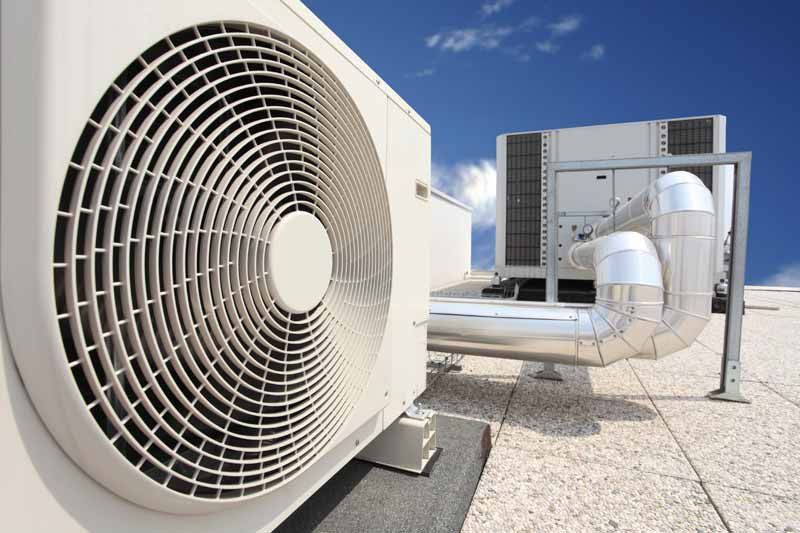
The emergence of sustainable power technologies, such as geothermal and solar systems, is expanding task possibilities in the Heating and cooling field. Consequently, the duty of technology is not simply a device for renovation but a driver for growth and development within the industry.
Often Asked Concerns
What Is the Average Wage for HVAC Workers in 2023?
In 2023, the average salary for heating and cooling employees in the USA is about $50,000 each year - HVAC Jobs Only. Aspects such as experience, field of expertise, and location can greatly influence specific earnings within this career
Are There Task Opportunities in HVAC for Entry-Level Employees?
Yes, there are work chances in cooling and heating for entry-level workers. Numerous firms look for people ready to discover, offering training programs and apprenticeships. This market remains to broaden, using various duties for newcomers in the sector.
How Does Accreditation Effect Cooling And Heating Work Prospects?
Accreditation substantially improves HVAC work prospects by showing experience and dedication to the field. Companies often choose licensed candidates, viewing them as more certified, which can lead to raised chances and potentially higher salaries for certified specialists.
What Geographic Locations Have the Highest Need for Cooling And Heating Workers?
The highest need for a/c workers usually exists in city areas with extreme climates, such as the Southwest and Northeast USA. Fast population development and industrial growth additionally add to increased work chances in these locations.
What Prevail Career Paths Within the Cooling And Heating Sector?

The Heating and cooling industry is undergoing considerable change, affected by advancements in modern technology and an expanding focus on sustainability. As the demand for power performance and sustainability grows, arising patterns in the A/c market are reshaping how specialists approach their work. Proficiency in important skills is crucial for future Cooling and heating experts steering a swiftly try these out advancing market. Many job improvement opportunities exist within the A/c sector, reflecting its vibrant nature and expanding need for experienced experts. Typical job paths within the HVAC market consist of installation service technicians, solution technicians, system style designers, sales representatives, and A/c maintenance supervisors.